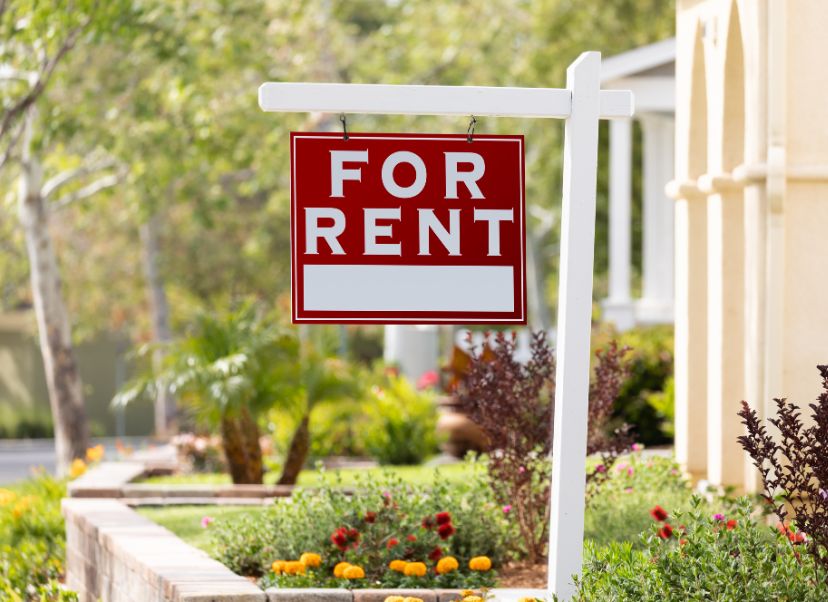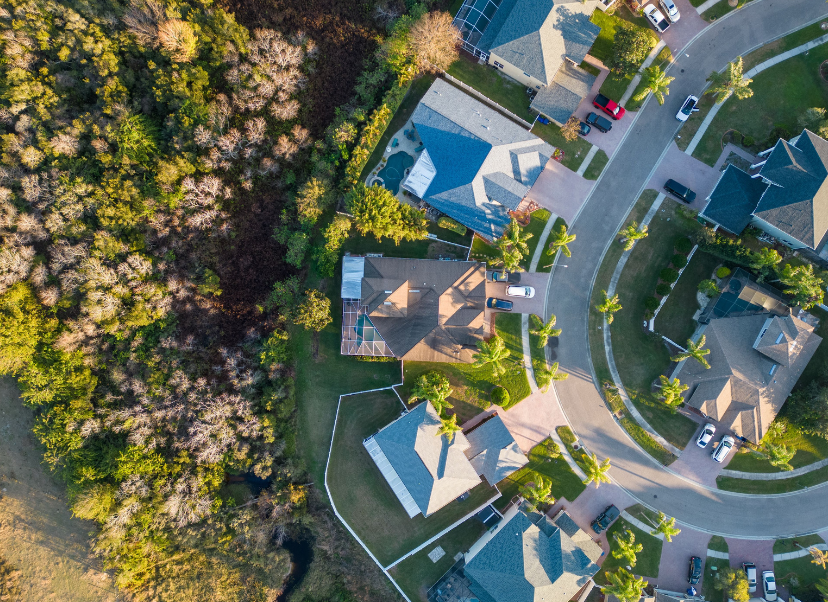
Renting in St. Lucie County isn't one-size-fits-all. Each city has its own rules, the market moves quickly, and prices shift depending on the neighborhood. Whether you're a homeowner thinking about renting your place out or someone looking to secure a rental, here's what you need to know about the process, the market, and the local regulations.
Do I Need a License to Rent Out My Property in Florida?
For most long-term rentals, the answer is simple: no license required. If you own the property and are leasing it directly to a tenant, you can do that without a real estate license. Licenses are only required if you're managing or renting properties on behalf of others and charging a commission for it.
Where it gets more complicated is short-term rentals — think Airbnb or seasonal leases. Florida cities are strict about compliance, and the rules can differ depending on exactly where your property sits.
Here's what landlords in St. Lucie County need to know:
Port St. Lucie — Short-term and vacation rentals require a state Vacation Rental License. The city may also require a local business tax receipt and compliance with zoning regulations. If your property is in a community with an HOA, there may be additional restrictions on short-term renting that are worth confirming before you list.
Fort Pierce — Short-term rental regulations are tied to zoning, and the city has been active in reviewing compliance in recent years. If you're considering a vacation rental in Fort Pierce — especially near the beaches or the downtown waterfront area — confirm the current requirements with the city directly before listing anywhere.
Unincorporated St. Lucie County — Properties outside city limits fall under county jurisdiction, which has its own set of rules around short-term rentals. When in doubt, a quick call to the St. Lucie County Growth Management Department can save you from a costly compliance issue down the road.
Bottom line: long-term rentals are generally straightforward. Short-term rentals require more paperwork. Always verify the current rules with your local municipality before you list.
How Is the Rental Market in St. Lucie County?
St. Lucie County has seen steady rental demand over the past several years, driven by population growth, an influx of remote workers, and buyers priced out of higher-cost South Florida markets further south. That demand has kept vacancy rates low and kept upward pressure on rents.
Well-priced, well-maintained rentals in Port St. Lucie and Fort Pierce typically attract multiple applications quickly — especially single-family homes and anything in master-planned communities like Tradition or Verano.
(Note to Rebecca: I've intentionally left out specific rental price figures here since the source article's numbers were for Palm Beach County cities. Please provide current St. Lucie County rental ranges so I can drop them in accurately.)
What Does It Cost to Rent in St. Lucie County?
Rental costs vary depending on property type, location, and whether you're looking at a long-term lease or a seasonal arrangement. Homes in planned communities with amenities tend to command a premium. Anything near the water — Hutchinson Island, the Fort Pierce Inlet area — goes for more. Seasonal rentals in winter months also carry a premium, since demand from snowbirds pushes prices up.
What Do Landlords Typically Require From Tenants?
If you're looking to rent in St. Lucie County, here's what most landlords ask for:
A security deposit — typically one month's rent, sometimes more for larger homes. A signed lease agreement — read every line carefully, because Florida leases spell out who handles landscaping, utilities, and repairs, and those details matter. Proof of income, a credit check, and sometimes an application fee. And if the property is in an HOA community — which many Port St. Lucie and Tradition homes are — you may need board approval before moving in, which can add time to the process.
If you're the landlord, keep clean records and be upfront with tenants from the start. Transparency on both sides goes a long way toward avoiding disputes.
Short-Term Rental Landlords: Don't Forget the Taxes
If you're renting seasonally, you're responsible for collecting and remitting the right taxes — including Florida's tourist development tax and state sales tax. This is an area where a lot of first-time short-term landlords get caught off guard, so it's worth understanding your obligations before your first booking goes live.
The Bottom Line
Renting in St. Lucie County can be very straightforward — especially for long-term leases — but short-term rentals add a layer of complexity that's worth navigating carefully. The rules differ by city, zoning matters, and the market moves fast.
Whether you're looking to rent out your property or trying to find the right place to land, having someone in your corner who knows the local market and the local regulations makes the whole process easier.
If you're thinking about renting in Port St. Lucie, Fort Pierce, Tradition, or anywhere in St. Lucie County, I'm happy to walk you through your options and help you figure out the smartest path forward.